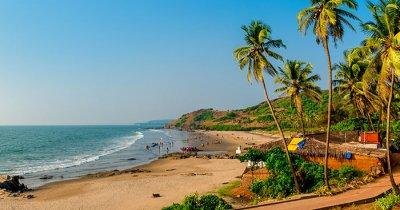
Goa is a state in western India, with coastlines stretching along the Arabian Sea. It’s long history as a portuguese colony prior to 1961 is evident in its preserves 17th century churches and the area’s tropical spice plantations. Goa is also known for its beaches, ranging from popular stretches at Baga and Palolem to those in laid-back fishing villages such as Agonda.
Goa also happens to be a home to many friendly, loving, susegaad locals like me. And to us, our cuisine is the best! No matter how much you speak about Goa, words always fall short. A small description of Goa could be made through a famous Konkani song, ‘Kitlem Sobit Goa Amchem’, or another that’s ‘Bangarachem Goa’.
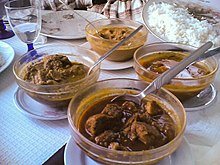
Goan cuisine consists of regional foods popular in Goa, an Indian state located along India’s west coast on the shore of the Arabian Sea. Rice, seafood, coconut, vegetables, meat, pork and local spices are some of the main ingredients in Goan cuisine. The area is located in a tropical climate, which means that spices and flavors are intense. Use of kokum is another distinct feature. Goan food is considered incomplete without fish. The cuisine of Goa originated from its Hindu Saraswat Cuisine roots, and was influenced by the 451 years of Portuguese colonization and the century of Muslim rule that preceded the Portuguese. Many Catholic dishes are either similar to or variants of their Portuguese counterparts in both naming or their use of ingredients.

 Food and Travel